Smart Access Control Security Systems for Commercial Properties
How Business Security Systems Ensure Operational Safety
In the current rapidly evolving corporate landscape, security systems are no longer merely a choice; they're vital for securing your property and workforce. By implementing a strong security framework, you can discourage potential threats while fostering a culture of safety. But what exactly makes these systems efficient, and how can you adjust them to meet your unique needs? Understanding the nuances of business security could be the key to achieving smooth operations and peace of mind.
The Importance of Business Security Systems
When you evaluate the potential threats your business confronts, it's clear why security systems are necessary. Protecting your assets from theft, vandalism, and unauthorized access is crucial for sustaining operational integrity. A solid security system not only safeguards your physical property but also increases employee safety, cultivating a secure working environment. Furthermore, it helps you meet regulations and avoid costly fines connected to safety and security breaches. Having a security system in place can deter criminal activity, ensuring your business remains a safe place for both employees and customers. By establishing security measures, you demonstrate your commitment to protecting your business's future, helping you to focus on growth and success without the constant worry of potential threats.
Technology's Role in Contemporary Business Security
While technology keeps advancing, it maintains a crucial part in shaping modern business security solutions. You can employ advanced tools like artificial intelligence and machine learning to improve threat detection and response. These technologies evaluate behavioral patterns in real-time, permitting you to identify potential risks before they escalate. Cloud-based security systems provide remote monitoring, giving you the flexibility to control your security from anywhere. Mobile apps can deliver instant alerts and updates, keeping you connected to your business's safety. Moreover, integrating biometric systems verifies that only authorized personnel access sensitive areas. By embracing these technological advancements, you're not just protecting your assets but also fostering a safer environment for workers and clients equally.
Essential Elements of an Well-Designed Security System
To create an effective security system, you have to focus on key components like surveillance camera systems and access control measures. These elements operate in tandem to monitor and regulate who can access your premises. By putting in place them, you can significantly boost your firm's security.
Surveillance Camera Systems
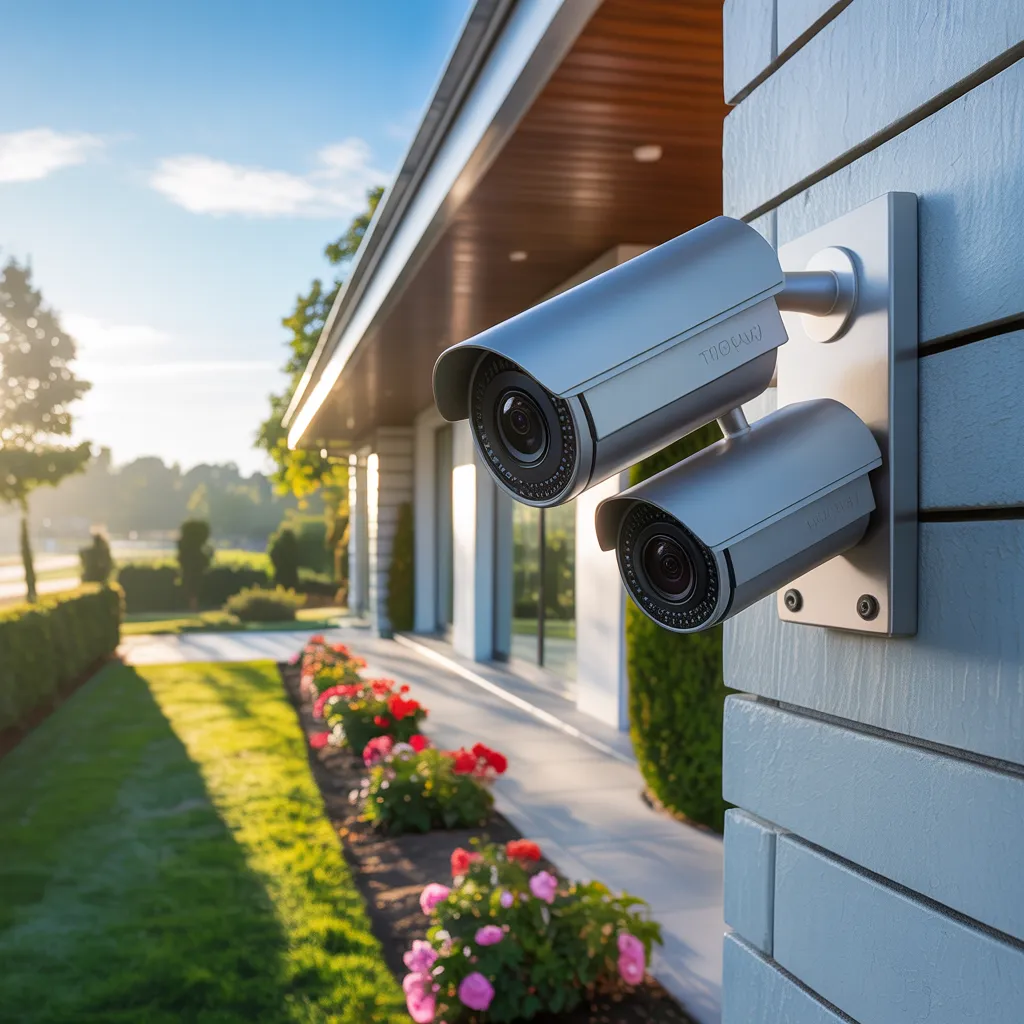
Surveillance camera systems are vital for any effective security strategy, delivering peace of mind and a proactive method to safety. These systems enable you to watch over your premises in real-time, discouraging potential threats and supplying valuable evidence in case of incidents. When choosing a camera system, consider resolution, field of view, and low-light capabilities to guarantee clear images under various conditions. Additionally, integrating cameras with remote access features lets you keep an eye on your premises from anywhere. Regular maintenance and updates are vital to keep your system performing at peak levels. By investing in a comprehensive surveillance setup, you allow your team to focus on operations while you secure your assets, creating a safer environment for everyone.
Access Management Protocols
While surveillance camera systems serve a crucial role in monitoring your business, access control measures are equally important for safeguarding your premises. These systems help you manage who can enter specific areas, reducing the risk of unauthorized access. You can deploy keycard systems, biometric scanners, or mobile access solutions to ensure only authorized personnel can enter sensitive locations.
Tracking access logs can also allow you to follow movements within your facility, improving accountability. Regularly updating access rights and conducting audits confirms your security remains tight. By pairing these measures with your surveillance systems, you establish a robust security strategy that shields your assets and enhances overall operational safety. Making a priority of access control is crucial to maintaining a secure environment for your business.
Detecting Common Security Threats
As organizations grow more reliant on technological solutions, identifying common security risks becomes essential for securing assets and maintaining operational integrity. You should commence by examining potential threats, such as data breaches, unauthorized access, and physical theft. Digital attacks, like phishing and ransomware, can jeopardize sensitive information and disrupt operations. Furthermore, insider threats from employees can create considerable risks if proper protocols aren't followed. Don't disregard environmental risks, such as natural disasters or equipment failure, which can also affect your security. By acknowledging these vulnerabilities, you can better prepare your organization to address them head-on. A proactive approach to recognizing risks assures that you stay one step ahead, ultimately protecting your business's reputation and financial stability.
Effective Strategies for Determining Your Security Necessities
How do you effectively evaluate your security requirements to safeguard your business? Start by conducting a thorough risk assessment. Recognize security gaps in your business, from physical access areas to digital assets. Bring employees into discussions about their apprehensions and experiences; they regularly discover concerns you could overlook. Following that, review your current security arrangements. Do they provide sufficient protection, or are there vulnerabilities? Research industry standards and best practices to benchmark your security protocols. Then, consider your business size, location, and the nature of your operations; these factors influence your specific needs. Finally, consult with security professionals to gain insights tailored to your situation. This complete approach assures you recognize your security terrain and can execute effective protections.
Training Employees on Effective Security Protocols
Teaching your team about comprehensive security practices is vital for defending your organization. Ongoing learning initiatives maintain staff awareness of emerging risks and recommended approaches, while practical training scenarios provide dynamic and lasting learning opportunities. By emphasizing security education, you enable your staff to respond effectively in protecting your business.
Significance of Security Training
Robust security training is essential in securing your business against potential threats. When you provide your employees with the proper knowledge and skills, they become your first line of defense. Grasping security protocols helps them recognize suspicious activities and respond effectively. This proactive approach decreases risks and fosters a culture of vigilance within your organization.
In addition, adequately trained employees are more self-assured in their duties, which can result in enhanced morale and productivity. They'll know how to manage emergencies, reducing panic and confusion during vital situations. By emphasizing security training, you are not just securing your assets but also equipping your team to support a safer work environment. Eventually, a strong security foundation depends on informed and prepared employees.
Routine Training Sessions Necessary
Even though security protocols can be intricate, regular training sessions help make certain that employees grasp and implement them effectively. These sessions supply you with the tools and knowledge to navigate potential security threats effectively. By participating in consistent training, you'll keep updated on the latest security measures and industry standards. It's crucial that everyone knows their role in maintaining safety and responding to incidents.
You'll have the chance to address concerns and pose questions in a encouraging atmosphere. This promotes a culture of security awareness, making it simpler for you and your coworkers to detect vulnerabilities. Finally, investing in regular training not only secures your business but also empowers you to help create a safer workplace.
Dynamic Simulated Activities
Scheduled training sessions establish the foundation for more interactive learning experiences, such Georgia-Florida Security & Fire as engaging simulation exercises. These simulations allow you to practice real-world scenarios in a controlled environment, assisting you comprehend security protocols more effectively. By participating in these exercises, you'll develop hands-on experience, encouraging quick decision-making and teamwork. You'll learn to spot potential threats and respond appropriately, boosting your confidence in handling security breaches. Moreover, feedback from instructors during these simulations enables you identify areas for improvement. This active approach to training guarantees that you're not just memorizing procedures but truly understanding how to apply them in real-life situations. In the end, engaging simulations improve your readiness and contribute to a safer workplace for everyone.
Review Your Security System's Capability
How can you truly know if your security system is working as it should? Initiate the process by routinely checking incident reports and security logs. Search for trends or recurring breaches that reveal vulnerabilities. Perform regular testing, such as mock intrusions, to assess your system's effectiveness. It's also crucial to gather feedback from employees about their experiences with security protocols. Do they feel secure? Is there inadequate information sharing? Furthermore, think about modernizing your equipment. Threats evolve continuously, and aging systems cannot stay current. Lastly, evaluate your security training initiatives to ensure staff readiness. By evaluating these areas, you'll gain insights into your system's effectiveness and identify improvements, making sure your business remains secure and operationally safe.
FAQ
How Much Do Business Security Systems Typically Cost?
Business security systems typically cost between $1,000 and $10,000, depending on your needs. Variables including system complexity, installation, and monitoring services determine the price, so it's advisable to compare options before making a decision.
What Are the Legal Regulations for Business Security Systems?
You must conform to regional regulations, which typically require installing surveillance cameras, alarms, and access controls. Additionally, certain industries might have distinct guidelines to adhere to, so review pertinent laws for your specific business.
Are Small Businesses Able to Afford Advanced Security Technology?
Small businesses have access to affordable advanced security technology. Various choices are accessible, like scalable systems and subscription services. You have the option to choose solutions that fit your budget, securing your business affordably.
What Is the Recommended Frequency for Updating or Upgrading Security Systems?
You should update or upgrade your security systems every few years, or sooner if technology advances considerably. Regular assessments help identify vulnerabilities, ensuring your security remains effective against evolving threats and potential risks.
What Actions Are Necessary After a Security Breach Happens?
Following a security breach, you should promptly assess the impact, notify impacted individuals, reset passwords, and reinforce your security measures. Finally, log the incident and examine your protocols to prevent future breaches.